




By Jeorge Wlson Kingson

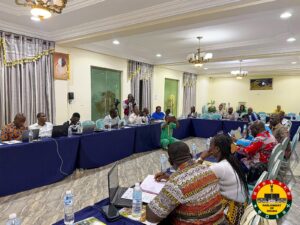
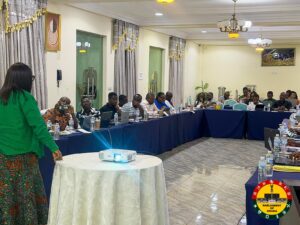
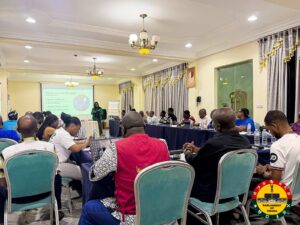
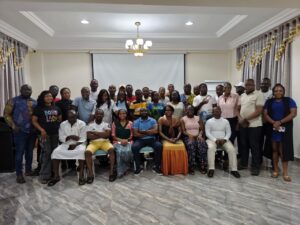
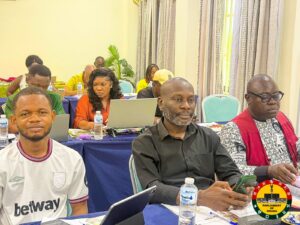
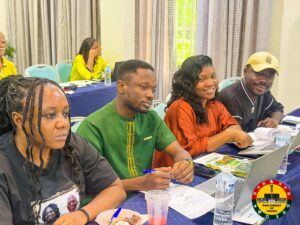
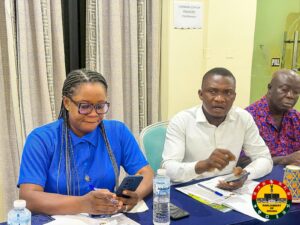
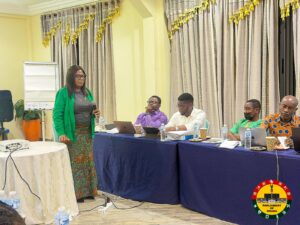
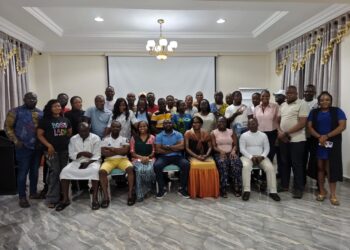
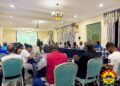
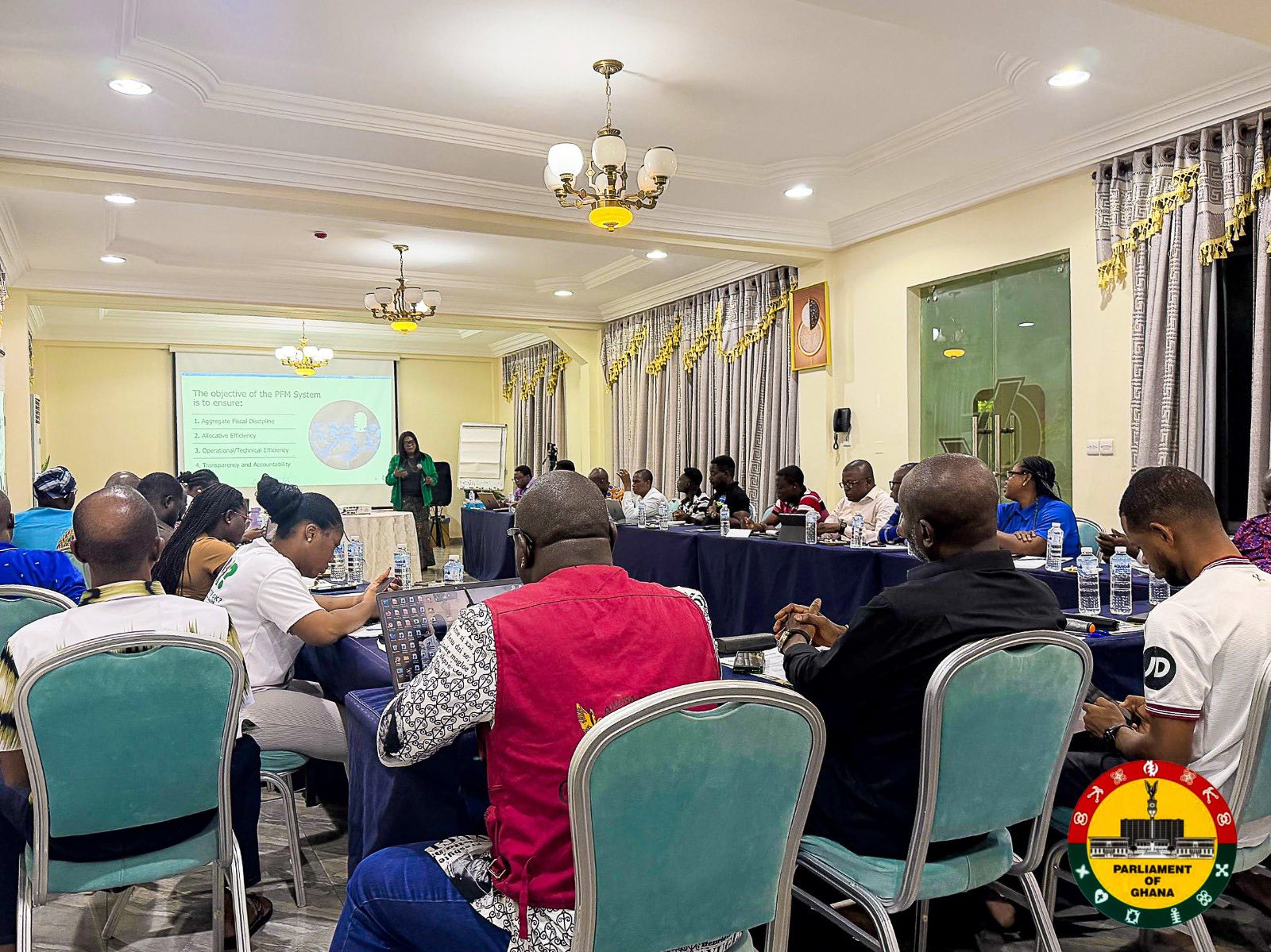
Members of the Parliamentary Press Corps (PPC) have successfully concluded a two-day capacity-building workshop in Koforidua aimed at strengthening their skills in Public Financial Management (PFM) reporting.
The programme, organised by the Parliamentary Service with support from the World Bank and the Foreign, Commonwealth and Development Office (FCDO), focused on helping journalists interpret complex economic and financial discussions in Parliament and present them clearly to citizens.
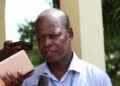
At the opening of the workshop on Saturday, Dean of the PPC, Simon Agianab, said the training came at a critical time when parliamentary reporters are increasingly required to explain intricate fiscal and policy matters to the public.
“Our responsibility goes beyond merely reporting proceedings. It involves interpreting complex legislative and policy discussions and presenting them in ways that are meaningful and accessible to the Ghanaian public,” Mr. Agianab stated.
He noted that issues relating to economic policy, public debt management, and national budgeting are often presented in highly technical language, making it difficult for the average citizen to follow. He expressed confidence that the workshop has equipped journalists to handle such topics with greater clarity and insight.
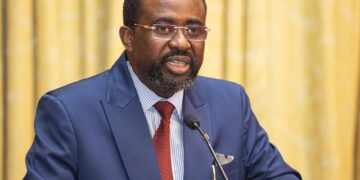
Director of Media Relations at Parliament, David Sebastian Damoah, highlighted the essential role the media plays in making parliamentary work meaningful to citizens. He stressed that accurate and responsible reporting of budgets, audit findings, and financial oversight promotes transparency, accountability, and good governance.
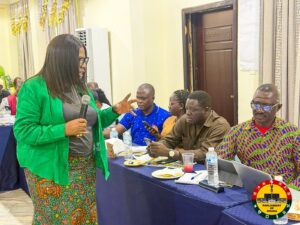
The workshop featured sessions on Ghana’s Public Financial Management framework, analysing the national budget, reporting on audit findings and parliamentary-oversight, data-driven fiscal reporting, investigative reporting, and ethics in financial journalism.
Former Director at the Ministry of Finance, Eva Mends, cautioned that unchecked political and public pressure to increase government spending could push Ghana back into high deficits, rising inflation, and economic instability. She warned that borrowing to fund excessive expenditures risks reversing the country’s fragile macroeconomic gains.
Ms. Mends explained that while requests for increased funding across sectors such as education, infrastructure, and social services are legitimate, they must be weighed carefully against the country’s fiscal capacity. She emphasised that the Finance Minister holds ultimate responsibility for coordinating government spending and ensuring that expenditure decisions align with Ghana’s broader macroeconomic strategy.


With the knowledge and skills gained, PPC journalists are now better prepared to bridge Parliament and the public, translating complex financial data into accurate, engaging, and accessible reporting that strengthens democratic accountability in Ghana.